Delta Skating Club Programs
Delta Skating Club offers a number of programs that are Skate Canada approved. Our group of coaches creative both a creative and constructive environment for our membership.
Skating Programs
Expore our skating programs and register for the session that’s right for you.
Program Details

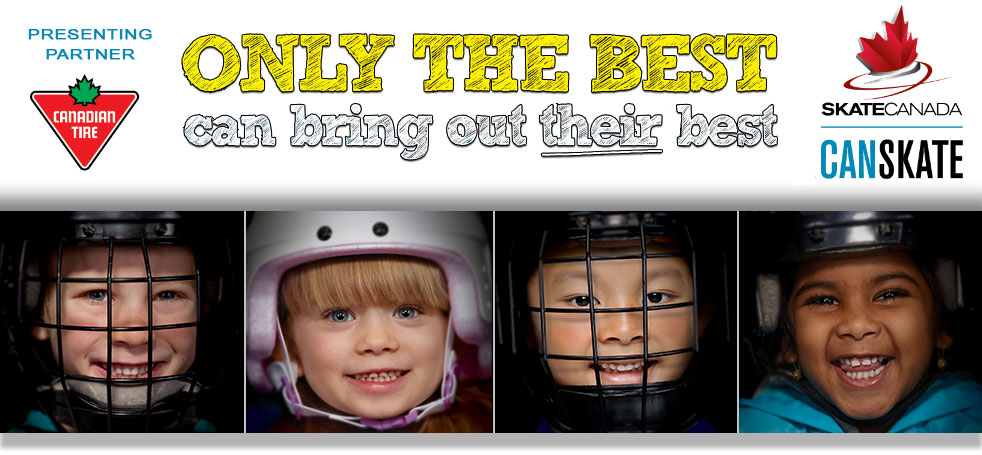
PreCanSkate & CanSkate
Delta Skating Club’s PreCanSkate and CanSkate programs introduce skaters to the fundamentals of skating in a fun, active and supportive environment. From becoming comfortable on the ice to developing balance, control and agility, skaters progress at their own pace while building skills that can lead to recreational skating, figure skating, hockey, ringette and other ice sports.
PreCanSkate is designed for children ages 3 and older who have never skated before or are not yet confident on the ice.
Lessons are approximately 30–45 minutes and are led by Skate Canada certified professional coaches with assistance from trained Program Assistants. The goal is a small-group environment where young skaters can become comfortable on the ice while learning through music, skating aids and fun activities.
The program focuses on eight introductory skills:
- Balance on two feet
- Fall down and get up
- Move forward
- Move backward
- March around the spot
- Make snow
- Jump on the spot
- Two-foot twist on the spot
Once skaters are ready, they move into the main CanSkate program.
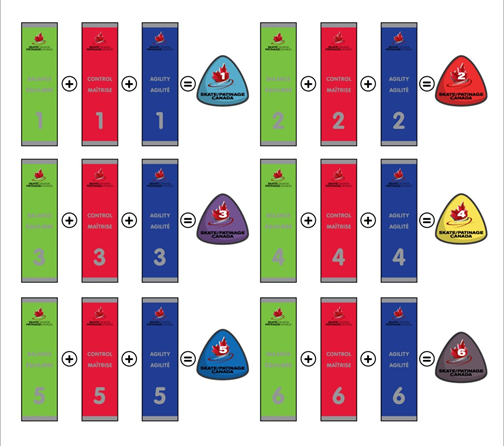
CanSkate is Skate Canada’s flagship learn-to-skate program. It develops the three fundamental areas of:
Balance · Control · Agility
Skills are organized through six stages. Lessons are approximately 45 minutes and use continuous movement, music, activities, rewards and incentives to create an energetic learning environment. Skaters progress at their own pace.
CanSkate develops fundamental skating skills that can be used in:
- Recreational skating
- Figure skating
- Hockey
- Ringette
- Speed skating
Delta currently recommends skating twice per week where possible to support continued development.
All PreCanSkate and CanSkate participants through Stage 5 must wear a CSA-approved hockey helmet.
Participants must also wear gloves/mitts or hockey gloves.
The club currently provides skate and helmet rentals for PreCanSkate and CanSkate sessions at no charge.
Skaters may continue in CanSkate to refine their skills or move toward another skating pathway.
Those interested in figure skating may be invited into Rising Star Academy, while hockey and ringette skaters may progress toward PowerSkate.

Rising Star Academy / STAR 1
Your First Step Into Figure Skating
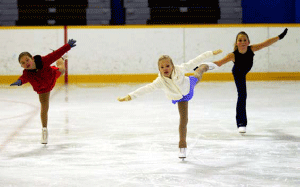
Rising Star Academy bridges the gap between CanSkate group lessons and STARSkate. It is designed for skaters interested in figure skating who are ready to develop stronger technical foundations and begin progressing through the Skate Canada STAR pathway.
Rising STARS is intended for skaters who have passed CanSkate Stage 3 through approximately STAR 1.
Skaters continue completing their CanSkate stages while being introduced to beginner figure-skating foundations and STAR 1 skills.
The program provides a more in-depth introduction to figure skating and begins preparing skaters for:
- Figure-skating fundamentals
- STAR 1 development
- More structured training
- Future assessments
- Future competitive opportunities
Upon completing the program, skaters should be prepared to progress toward STAR 2 and the club’s Junior program.
Skaters are expected to skate twice per week, which the club recommends to promote faster skill development.
The program currently includes both ice time and coaching fees.
Rising Star also introduces skaters to off-ice training.
At this level, off-ice work begins developing:
- Basic rotating jump technique
- Quarter, half and full rotations
- Strength and conditioning
- Flexibility
- Dance and movement for figure skating
After developing through Rising Star and STAR 1, skaters can progress into the STARSkate program, where training becomes more individualized and may include assessments and competition.

STARSkate
Develop Skills. Set Goals. Achieve More.
STARSkate provides skaters with opportunities to continue developing their figure-skating skills through freeskate, dance, skating skills, enrichment and off-ice training. Skaters can pursue assessments, competitions and increasingly advanced skating goals with guidance from their coaches.
STARSkate is designed for skaters who have progressed beyond CanSkate and are ready to further develop their figure skating skills through Skate Canada’s STAR pathway.
Delta Skating Club offers two STARSkate training groups:
- Junior — STAR 2–4
- STAR 4+
Skaters are required to train a minimum of two times per week, with additional training encouraged to support stronger skill development and continued progression through the STAR levels.
STARSkate builds a strong foundation in figure skating while introducing increasingly advanced skills as skaters progress through the STAR levels.
Skaters will work on:
- Jumps & Spins: Developing proper technique and progressing from single jumps toward more advanced elements
- Skating Skills: Edges, turns, power, speed, balance, control, and field moves
- Programs & Performance: Learning choreography, musicality, presentation, and how to perform a complete program
- Assessments: Working through Skate Canada STAR assessments as skills are developed and ready to be evaluated
- Competition Skills: Opportunities to learn how to prepare for and participate in STAR events and competitions
STARSkate offers a combination of lesson formats to support each skater’s individual development:
- Private Lessons: One-on-one instruction tailored to the skater’s individual skills, goals, and areas of development.
- Semi-Private Lessons: Instruction shared between two or more skaters of a similar level, allowing skaters to develop skills together.
- Group Lessons: Structured instruction provided as part of designated STARSkate sessions, focusing on specific skills and development areas.
As skaters progress, lesson frequency and format may vary based on their level, goals, and individual training needs.
Lessons may be 15, 20, 30 minutes, or longer, depending on the length of the skating session, the skater’s training needs, and coach availability.
Semi-private and small group lessons allow skaters of similar levels and abilities to train together while receiving focused instruction from a coach. These lessons can be used for a variety of areas, including jumps, spins, skating skills, ice dance, and program development.
Group size may vary depending on the skill being taught, skater levels, and coach availability.
Skaters progress through Skate Canada’s STAR assessment structure as they develop their skills in Freeskate, Skills, Ice Dance, and Artistic.
- STAR 1–5 Assessments are completed by a qualified coach during regular training sessions when the skater is ready.
- STAR 6–Gold Assessments are evaluated by a certified Skate Canada judge during a designated High Assessment Day.
A skater’s coach will determine when they are ready to complete an assessment based on their skill development, consistency, and preparedness.
Assessment fees are paid separately and are not included in regular program registration or lesson fees.
STARSkate provides skaters with opportunities to develop at their own pace while working toward personal skating goals. Skaters may participate in STAR competitions and events, where they can gain performance experience, build confidence, and showcase the skills they have developed in training.
As skaters progress, they can continue advancing through the STAR levels from STAR 1 through Gold, participate in assessments and competitions, and develop more advanced technical and performance skills.
For skaters who demonstrate the required technical level, training commitment, and competitive goals, there may also be opportunities to transition into Skate Canada’s Podium Pathway competitive stream.

Podium Pathway Training
Podium Pathway Training is Skate Canada’s competitive stream for skaters competing at the Pre-Juvenile level or higher. It provides advanced training focused on technical development, performance, and progression through the competitive pathway.
Training focuses on developing strong technical skills, quality skating, performance, consistency, and the competitive experience needed as athletes progress through the pathway. Skaters work closely with their coaching team and High Performance Director to set individual goals, build effective training habits, and prepare for competitions throughout the season.
Podium Pathway Training is intended for skaters who demonstrate the skill level, commitment and training readiness required for advanced competitive development.
Eligibility may consider factors such as:
- Current skating level and technical ability
- Competition experience
- Training consistency
- Coach recommendation
- Athlete goals and long-term potential
- Ability to meet the expectations of a more intensive training environment
Skate Canada’s Podium Pathway includes competitive categories progressing through levels such as Pre-Juvenile, Juvenile, Pre-Novice, Novice, Junior and Senior.
Participation in Delta Skating Club’s Podium Pathway program may require an invitation from the High Performance Director.
Skaters will focus on advanced technical and competitive development, including:
- Jump technique, consistency, and higher-level jump development
- Spin technique, levels, features, and execution
- Skating skills, edge quality, speed, power, and control
- Program components, performance, and presentation
- Fitness
- Competition programs and run-throughs
- Competition preparation and performance strategies
- Goal setting and individual skill development with the High Performance Director
- Building consistency, confidence, and strong training habits
The emphasis is on developing well-rounded athletes rather than focusing only on individual technical elements.
- Attend training sessions consistently and arrive prepared and on time
- Maintain a focused and productive approach during training
- Work toward individual goals established with the High Performance Director
- Take increasing responsibility for their own training and development
- Complete assigned off-ice training, conditioning, and at-home work
- Be prepared to participate in competitions, simulations, camps, and other opportunities
- Demonstrate good sportsmanship and contribute positively to the training environment
- Communicate with the High Performance Director regarding goals, challenges, injuries, or changes that may affect training
Coaching & Athlete Development: Podium Pathway athletes are guided by the High Performance Director, with training and development tailored to each skater’s level, goals, strengths, and competitive needs.
Podium Pathway athletes are guided by the High Performance Director, with training and development tailored to each skater’s level, goals, strengths, and competitive needs.
Athlete development may include:
- Individual training goals and development plans
- Technical development and skill progression
- Program and choreography development
- Competition planning and preparation
- Regular progress reviews and goal setting
- Off-ice training and physical development
- Performance and mental preparation
As skaters progress through the Podium Pathway, training expectations and development plans will continue to evolve to support their individual competitive goals.
Athletes may progress through categories including:
Pre-Juvenile → Juvenile → Pre-Novice → Novice → Junior → Senior
Competition opportunities may include regional and sectional events, with qualifying athletes progressing toward provincial and national competition.
Advancement is based on a combination of technical development, competition readiness, performance standards and the athlete’s individual goals.
Not every skater will follow the same timeline, and progression will be guided by the High Performance Director.
Skaters interested in joining Podium Pathway Training must meet the minimum competitive level of Pre-Juvenile or higher and demonstrate the technical ability, commitment, and training readiness required for the program.
Placement is overseen by the High Performance Director and may include a review of the skater’s current level, competition experience, training habits, and competitive goals.
Skaters and families interested in the Podium Pathway are encouraged to contact our High Performance Director to discuss eligibility and next steps.

PowerSkate
Build Power for the Game
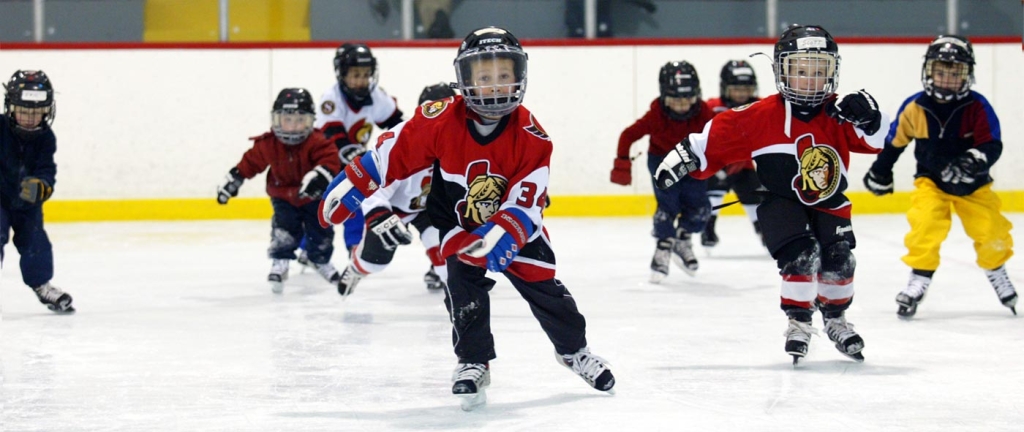
PowerSkate is a high-energy instructional program designed for hockey and ringette players. Training focuses on skating ability rather than stick or puck skills, helping athletes develop the balance, power, agility, speed and endurance needed in game situations.
PowerSkate is not a learn-to-skate program.
Participants should already be able to skate forward and backward and stop without using the boards. Skaters who still need fundamental instruction should begin in CanSkate.
- Balance
- Power
- Agility
- Speed
- Endurance
- Forward and backward skating
- Stops
- Edge control
- Turns and crossovers as ability increases
PrePower
Forward skating skills are required and ability to stop. For those skaters that have passed CanSkate level 1-2 and are either interested or already playing hockey or ringette. It allows developing skaters to become accustomed to skating in their sport equipment before progressing further. Hockey sticks are not used. Geared for ages 7 and under.
Entry Level
This is not a learn to skate program. For skaters that have passed CanSkate level 4.
Skaters should be able to:
- skate forward, backward
- stop in one direction
Ages 6-10 years. Hockey equipment mandatory.
Intermediate
Skaters should have:
- Strong forward skating
- Strong backward skating
- Ability to stop in both directions, left/right.
Ages 8- 12 years. Hockey equipment mandatory
Advanced
Advanced participants should demonstrate:
- Strong forward and backward skating
- Crossovers
- Strong backward stops
- Understanding of turns
Ages 8-12 years
For PrePower, the current requirement includes:
- CSA-approved hockey helmet
- Full face shield
- Hockey gloves
- Neck guard
Entry, Intermediate and Advanced PowerSkate require full hockey or ringette equipment.
Skate rentals are not available for PowerSkate.

Synchronized Skating
Skate Together. Perform Together.
Synchronized skating combines individual skating skills with teamwork, music and performance. Teams of eight or more skaters perform formations and maneuvers together, developing timing, edges, power, flow and the ability to skate as one unit.
Synchro involves teams performing formations including:
- Circles
- Lines
- Blocks
- Wheels
- Intersections
The objective is to execute these elements together in unison with the music.
Delta has multiple synchronized skating teams, including Solar Flare and Solar Ice.
Team levels may change from year to year depending on:
- Number of skaters
- Ages
- Skill levels
Synchro develops:
- Team skating
- Formations and transitions
- Edge quality
- Power and flow
- Musical timing
- Spatial awareness
- Teamwork
- Performance skills
Team members are expected to:
- Attend practices and competitions
- Work hard and support their teammates
- Demonstrate team spirit and respect
- Continue regular skating development
Team members should skate approximately two to three days each week to develop or maintain their individual skills.
Teams participate in multiple performances and competitions during the season.
Examples such as the Winter Gala, Mountain Regionals, West Coast Challenge, hockey-game intermissions and the Delta Skating Club Ice Show.
Families should be aware that synchronized skating may involve costs beyond regular registration, including:
- Competition entry fees
- Competition coaching fees
- Team costumes

Ice Dance
Ice Dance focuses on edges, turns, timing, rhythm, musicality, and skating quality. Skaters learn pattern dances and dance elements while developing stronger control, flow, posture, and performance skills. Skaters can progress through Skate Canada’s STAR Ice Dance assessments and may participate recreationally or competitively.
Ice Dance focuses on edges, turns, timing, rhythm, musicality, posture, and skating quality. Skaters learn Skate Canada pattern dances while developing greater control, flow, precision, and confidence on the ice.
At Delta Skating Club, Ice Dance is currently offered as a supplemental training program focused on Skate Canada Ice Dance assessments. Skaters can participate alongside their regular STARSkate or Podium Pathway training.
Ice Dance is available to figure skaters who are interested in expanding their skating skills and progressing through Skate Canada’s Ice Dance assessments.
Skaters do not need an Ice Dance partner to participate. Training and assessments can be completed individually, making Ice Dance a great addition to a skater’s regular training program.
Ice Dance training focuses on the skills needed to progress through Skate Canada’s Ice Dance assessment pathway, including:
- Pattern dances and required steps
- Edge quality, turns, and footwork
- Timing and rhythm
- Posture and body alignment
- Speed, flow, and control
- Musicality and presentation
- Accuracy and consistency of dance patterns
- Preparation for Ice Dance assessments
Training will progress according to each skater’s level and assessment readiness.

Pairs
Pairs is a Podium Pathway discipline where two skaters compete together as a team. Training focuses on partner skills, side-by-side jumps and spins, lifts, throws, synchronized movement, and performance while developing the technical skills required to progress through Skate Canada’s competitive Pairs pathway.
Pairs requires strong skating skills, timing, trust, communication, and teamwork. At Delta Skating Club, Pairs is offered with a Podium Pathway focus, giving skaters the opportunity to develop the technical and performance skills needed to progress within Skate Canada’s competitive Pairs pathway.
Skaters interested in Pairs must:
- Be skating at the STAR 4 level or higher
- Have passed a minimum of their STAR 3 Freeskate assessments
- Demonstrate the skating skills, technical readiness, and commitment required for Pairs training
- Be prepared to follow a Podium Pathway training direction
- Commit to all scheduled Pairs training for the full season
Pair placement will also consider factors such as skater compatibility, skill level, size, training goals, and partner availability. For any questions regarding pairs, please use our contact form or contact our High Performance Director.
Pairs skaters will develop the technical, performance, and teamwork skills required for competitive Pairs skating, including:
- Pair lifts and lift technique
- Throw jumps
- Side-by-side jumps and spins
- Pair spins
- Death spirals
- Partner skating, holds, and transitions
- Timing, synchronization, and unison
- Skating skills, speed, and quality
- Program development and performance
- Trust, communication, and teamwork
Training will progress according to each pair’s level, readiness, and competitive goals within the Podium Pathway.
Pairs requires a high level of commitment, consistency, teamwork, and communication from both skaters. Skaters are expected to:
- Attend all scheduled Pairs training sessions throughout the season
- Arrive on time, prepared, and ready to train
- Prioritize consistent attendance, as missed training affects both partners
- Maintain their individual skating and technical development alongside Pairs
- Participate in required off-ice and Pairs-specific training
- Work toward training and competitive goals established by the High Performance Director
- Attend planned competitions, simulations, and development opportunities
- Demonstrate respect, communication, and a positive approach toward their partner and training environment
Participation in Pairs is a full-season commitment, and skaters should be prepared to follow the training plan established for their team.
Pairs teams train under the direction of Mervin Tran and the High Performance Director, with development tailored to the pair’s level, strengths, and competitive goals. Training plans focus on both individual skating development and the technical skills required to progress as a team.
Athlete development includes technical progression, partner compatibility, program development, competition planning, goal setting, and ongoing evaluation throughout the season. As the pair progresses, training expectations and competitive opportunities will be adjusted to support their continued development within the Podium Pathway.

Off-Ice Training
Delta Skating Club offers a variety of off-ice training opportunities designed to complement skaters’ development on the ice. Training includes fitness, jump technique, dance, and stretch & flexibility classes, helping skaters develop strength, coordination, body awareness, movement quality, and the physical foundations needed for figure skating.
Off-ice training for Rising Stars, STAR 1, and Junior Development skaters focuses on building the physical foundations needed for continued figure skating development. Classes introduce coordination, balance, strength, flexibility, body awareness, jump technique, and movement skills in an age and level-appropriate environment.
The goal is to help young skaters develop good movement habits early while preparing their bodies for more advanced skills as they progress.
Off-ice training for STAR 4+ skaters builds on foundational movement skills with a greater focus on strength, conditioning, jump technique, flexibility, coordination, and body control. Training is designed to support more advanced on-ice skills, improve overall athletic development, and prepare skaters for the increasing physical demands of figure skating.
Dance & Movement classes help skaters develop musicality, rhythm, coordination, body awareness, posture, expression, and movement quality. Through a variety of dance and movement exercises, skaters learn how to connect their movements to music and build performance skills that transfer directly to their skating.
Off-Ice Rotation Spinner Training helps skaters develop air position, rotation speed, body alignment, and jump awareness in a controlled off-ice environment. Using rotational training equipment and a motorized harness, skaters can work on jump technique and higher-level rotations while building confidence and improving movement patterns that transfer onto the ice.
Skaters should come prepared for off-ice training with:
- Comfortable athletic clothing that allows for full movement
- Clean indoor running shoes
- Water bottle
- Yoga mat, when required
- Skipping rope, when required
- Hair tied back and jewelry removed for safe training
Skaters should arrive ready to begin class on time and bring any additional equipment requested by their instructor.
Ready to Get on the Ice?
View current sessions and register online.

![DSC Logo(SM) [WHITE]](http://deltaskatingclub.com/wp-content/uploads/2019/01/DSC-LogoSM-WHITE.png)